Five Ways to Stop Menopausal Weight Gain Without Dieting (Really!)
As a middle-aged woman, I know a thing or two about weight gain in menopause. I have personally tried many diets and different forms of exercise to lose weight and get healthier at different points in my life. I recognize now that the practices I had put in place in the past worked at that time, but I needed to approach weight loss differently at this stage.
As I learned more and more about fluctuating hormone levels, I recognized that there were ways to stop menopausal weight gain. The more I learned about my changing body, the more I realized why my old habits were contributing to weight gain.
Weight loss at this stage in my life is more than trying to look good and fit into my clothes. However, don’t get me wrong, these reasons still matter. But more importantly, I want optimal health to prevent some of the leading health concerns for aging women — heart disease, type 2 diabetes, and osteoporosis. Extra weight can also increase the risk of some cancers.
Let’s learn why we gain weight in menopause, the choices that contribute to weight gain, if hormone replacement therapy (HRT) helps, and the five ways to stop menopause weight gain.
Why We Gain Weight in Menopause
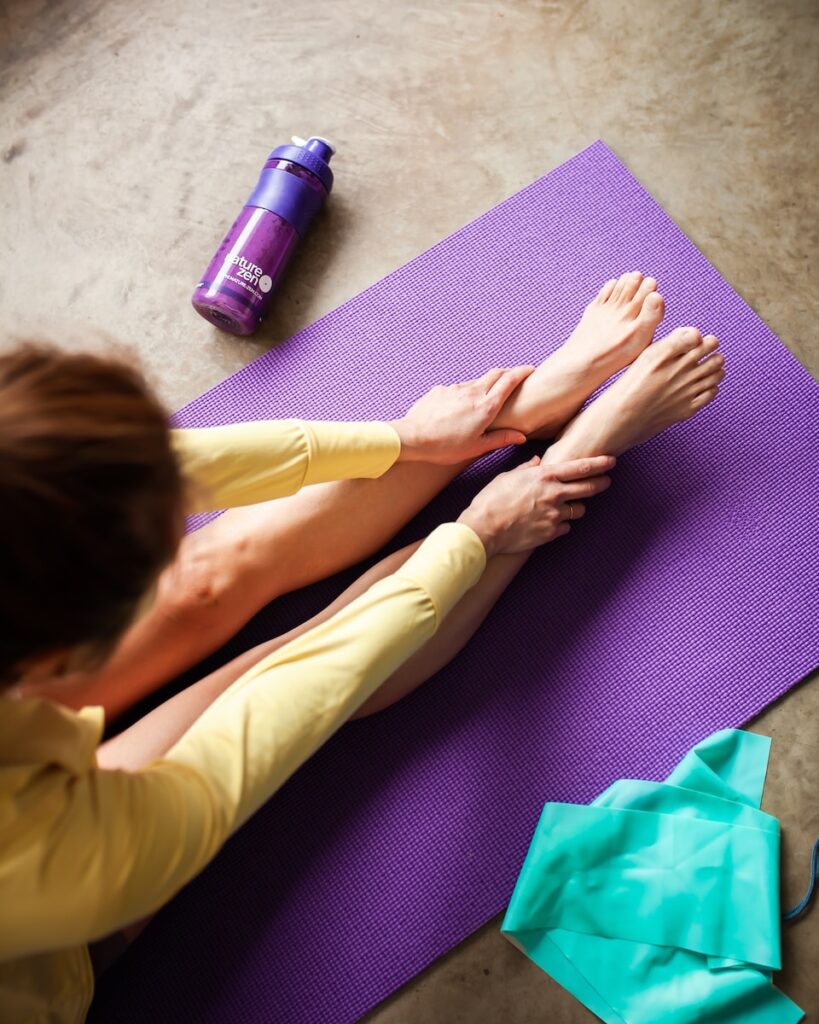
Inevitably, as you age, your ovaries make less estrogen and progesterone – our sex hormones. As estrogen declines, you lose muscle mass, which affects metabolism and ultimately causes weight gain. But it doesn’t have to be this way. Incorporating strength training into your exercise routine can have profound positive results.
I also recognized that declining hormones were causing a host of unwelcome visitors, hot flashes, and night sweats, which were increasing my stress levels and creating poor sleep. Poor sleep was a contributing factor to weight gain. One of the top complaints by women in midlife is a lack of sleep!
Making Poor Choices to Manage Menopause Symptoms
To cope with the chaos of midlife, plenty of women (myself included) admit to leaning a little too hard on wine and sugar. They’re quick, they’re comforting, and for a hot second, they feel like the solution. But surprise! That temporary relief usually backfires, leading to worse sleep, more stress, and a whole new set of problems.
In my case, the late-night Chardonnay and emergency brownies weren’t just a coping strategy—they were a lifestyle. And while I was busy soothing my nerves, I wasn’t learning how to actually manage stress or get good sleep. The result? A solid twenty pounds of “why don’t my jeans fit?” and a body that felt just as worn out as my mind.
What I’ve learned since: feeling better isn’t about quick fixes. It’s about building real tools that actually help you feel less stressed, not just numb out from it.
The good news? When we start healing in one area or build healthier habits, it tends to have a ripple effect — lifting everything else right along with it.
Changing Hormones and Weight Gain
When you understand your changing body due to declining hormones, it feels natural to embrace a holistic way of tackling getting healthy to prevent weight gain. During perimenopause, the 7 to 10 years leading up to menopause (when you have no period for 12 months), hormone levels decline. The hormonal changes contribute to weight gain and where your fat is distributed. Namely, an increase in belly fat accumulation. For some women, this can be as early as their 30s.
Is Hormone Replacement Therapy (HRT) an Option?
You can talk to your physician about hormone replacement therapy (HRT). It can absolutely be beneficial for many women in helping alleviate unwanted symptoms and reduce many health risks.
Most benefits are seen when HRT is started within 10 years of menopause. However, not every woman is a candidate. HRT can put them at risk for other health concerns. Each woman has to weigh the pros and cons after educating themselves on hormones and with a discussion with their physician.
The best place to start when tackling declining hormones and stopping menopause weight gain is by managing your lifestyle choices first.
Can You Lose the Weight You Gain in Menopause?
Yes, you can! I lost the 20 pounds I put on when I went through perimenopause in my 30s and 40s. But I had to get honest and make changes. I knew for certain that I wasn’t willing to go on another diet.
As I stated previously, muscle mass declines as hormone levels drop. With less muscle, our metabolism – the sum of chemical reactions that take place at the cellular level, decreases. This is why you can exercise the same as you always have and eat in a ‘healthy way,’ and your weight doesn’t change or may even increase.
Your body needs a different approach at this stage in your life for improved health. Also, being honest about your caloric intake is important since your metabolism is naturally slowing down, and weight gain is likely if you don’t make changes.
Five Ways to Stop Menopause Weight Gain
Making lasting habit changes can happen easily if you start small. Trying to change too many things will cause you to want to change nothing. I know, I tried this approach! Remember, the body and the brain do not want too much change at once. Look at small, consistent changes surrounding what you are eating, how you are moving, managing stress, your relationship with alcohol, and your sleep patterns.
Here are some ways you can get started:
Food Choices
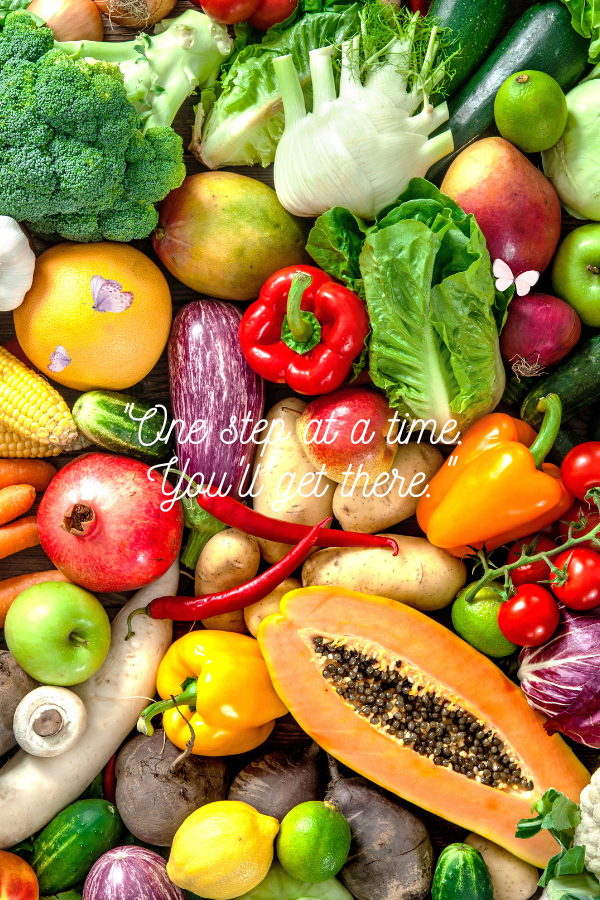
Embrace a whole-food way of eating. With habit change, as I talked about in my blog ‘Three Ways to Make Positive Habit Change in Menopause‘, start small and be consistent. For example, if your goal is to improve your diet, start by improving your breakfast. Make sure you are incorporating, fiber, fruits, and/or vegetables into your first meal of the day.
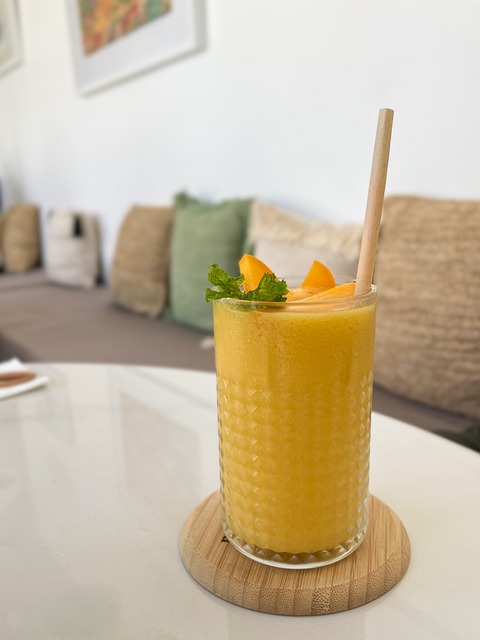
I add Spectrum Essentials Flaxseed to my oatmeal for added fiber every morning. You can add berries to your oats or cold cereal. At warmer times of the year, adding spinach to a smoothie is a great way to start the day.
Once you have mastered this meal and enjoy your whole food choices, look at your snacks and other meals. Incorporating protein into each meal will help you balance your blood sugar and prevent sugar cravings as well. For a quick and healthy, on-the-go snack, try these plant-based bars I enjoy – MenoWell. They support nutrition, vitality, and weight control.
Gradually reducing your added sugar intake—especially at breakfast and snacks—can make a big difference in your energy, sleep, and cravings. You don’t need to quit sugar cold turkey, but notice where it’s sneaking in and try swapping it with naturally sweet options like fruit or adding more protein to keep you fuller longer.
Once you’ve mastered this meal and enjoy your whole food choices, look at your snacks and other meals. Incorporating protein into each meal will help you balance your blood sugar and prevent sugar cravings as well. For a quick and healthy, on-the-go snack, try these plant-based bars I enjoy—MenoWell. They support nutrition, vitality, and weight control.
Don’t diet and deprive yourself. Look at what you are adding to nourish your body as you eat intuitively. Read more at my blog post “How To Start Eating Intuitively“ to learn how to trust your body.
Movement
Get Moving! Find activities you enjoy. A walk with a friend and a good chat, stretching for 10 minutes in the morning to your favorite music, or lifting weights for 15 minutes three times a week are perfect places to start. Try this medicine ball I use to help me stay fit.
There are so many free videos you can follow for instructions and proper technique. Find a time that works in your day and stick to it to help prevent loss of muscle mass. Post a calendar on your refrigerator or add the activity to your schedule on your phone calendar. Habits form quickly when done consistently. These activities then become a natural choice your body craves.
Sleep
Get your sleep. The way we eat and move is the natural place to start when trying to become healthier. But how is your sleep? Are you getting 7 to 9 hours of good sleep? You should feel rested the next day. First, take a look at your caffeine intake. Skipping caffeinated beverages after 2 pm may be necessary, or switch to decaf. Keeping your phone charging in another room is also something that I recently put into practice. Keeping the phone off my nightstand has greatly improved my sleep habits and still allows me to be reachable.
Stress Management
Stress Management. Inevitably, stress will happen, but how you deal with it, is where the problems arise. As you start your day, think of holding an empty glass. This glass will get depleted during the day as you encounter stress. Your job is to fill the glass with things you enjoy andthat help you feel energized. Some examples are prayer, meditation, reading, writing, exercising, gardening, taking a bath, talking to a friend, or anything that ‘fills you up’.
I have Aura essential oil ‘sandalwood’ at my desk and in my car to help calm down my nervous system. I apply a drop of 2 between my thumb and forefinger and take a big inhale when I need help; my nervous system understands there is no danger.
If you don’t put positive habits into practice, you will feel depleted very quickly. It’s no one else’s job to make sure you are in balance. That job is yours. Make yourself a priority so you can be there for others.

Relationship with Alcohol
Alcohol consumption. Drinking moderate amounts of alcohol shouldn’t negatively affect your health. But for many people, we can use alcohol to ‘calm’ us or reduce stress after a long day. If this is the only way you deal with life’s stressors, you could quickly develop a problem.
I decided, after many years of consuming alcohol, to abstain from drinking. It was common for me to feel very tired after a few drinks and make poor eating choices once the wine flowed. Something a lot of women I work with complain about!
I knew stopping was the best choice for me. I didn’t sleep well because I had more hot flashes and night sweats when I drank (this is a common complaint from the women I work with). Additionally, I was working hard at curbing my sugar intake, so giving up my preferred drink, red wine, was a good next step.
I sleep better (shocking, I know), and my mood isn’t on a rollercoaster anymore. Managing my weight feels a whole lot easier now that I actually enjoy the food I’m eating and the way I’m moving my body—no more forcing, just consistency.
Consistency versus Intensity

As many women look to form healthier habits later in life, they realize that consistency is far superior to intensity. It took me many years, but I strive to be consistent 80 percent of the time with food choices, sleep practices, stress reduction, and exercise to keep healthy. I consume mostly whole foods that help me feel energized and balance my blood sugar.
Getting 7 to 9 hours of sleep is non-negotiable for me. When I sleep well, I make better eating and exercise choices. As I make healthier eating, moving, and sleep choices, I feel I can better manage stressful situations.
Perfection Doesn’t Exist
I don’t get it perfect every day, nor do I expect to. This is where I have gotten into trouble in the past. I know this is an area where many women struggle. We expect perfection and completely give up if we have a ‘bad‘ day or week. We are human. Life happens, and we should plan to overindulge at times.
Some days, we have the stamina to set our health goals high. Other days, we may need to slow down and rest as we listen to what our bodies need.
Ready to feel stronger, more energized, and at peace in your midlife body — without relying on willpower or medication. . . Learn about my fall 2025 ‘Hidden Hunger’ 4-week group coaching program designed just for women like you. CLICK HERE to learn more!
Prefer to start with a quick win? Download my FREE GUIDE to learn more about the program—and you’ll automatically be added to the newsletter list so you never miss an update.

Kathleen is a nurse, menopause coaching specialist, and intuitive eating counselor who helps midlife women understand their changing hormones, manage menopause symptoms, and make peace with food through personalized coaching and education. Her journey of overcoming an eating disorder and navigating a difficult menopause inspired her to help women reclaim their health, and break free from chronic dieting — creating space to live a fuller, more vibrant life in midlife and beyond!